Go to main content

Other monuments

Historic site
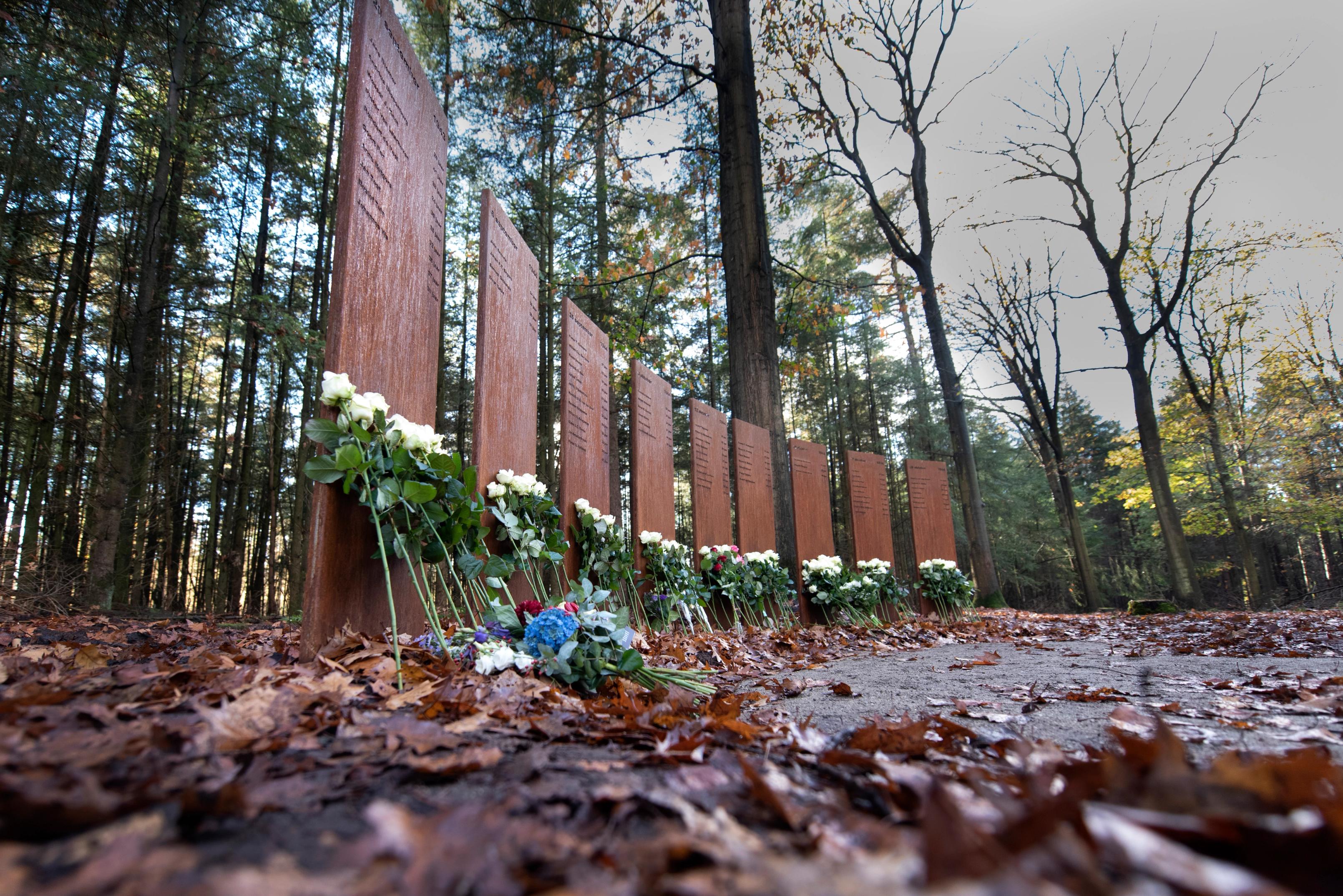
The resistance monument at Camp Westerbork, with white roses leaning against the pilars

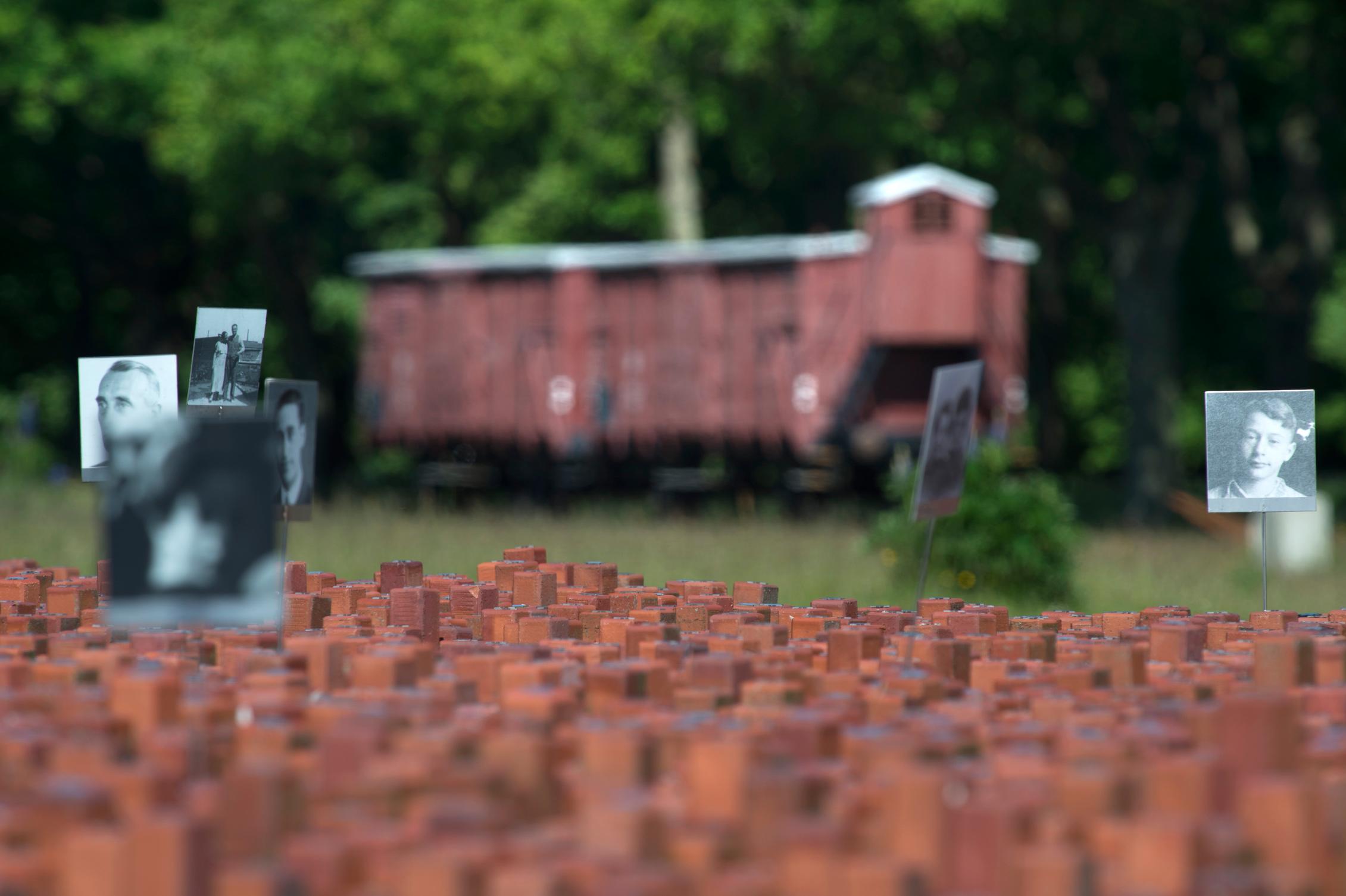
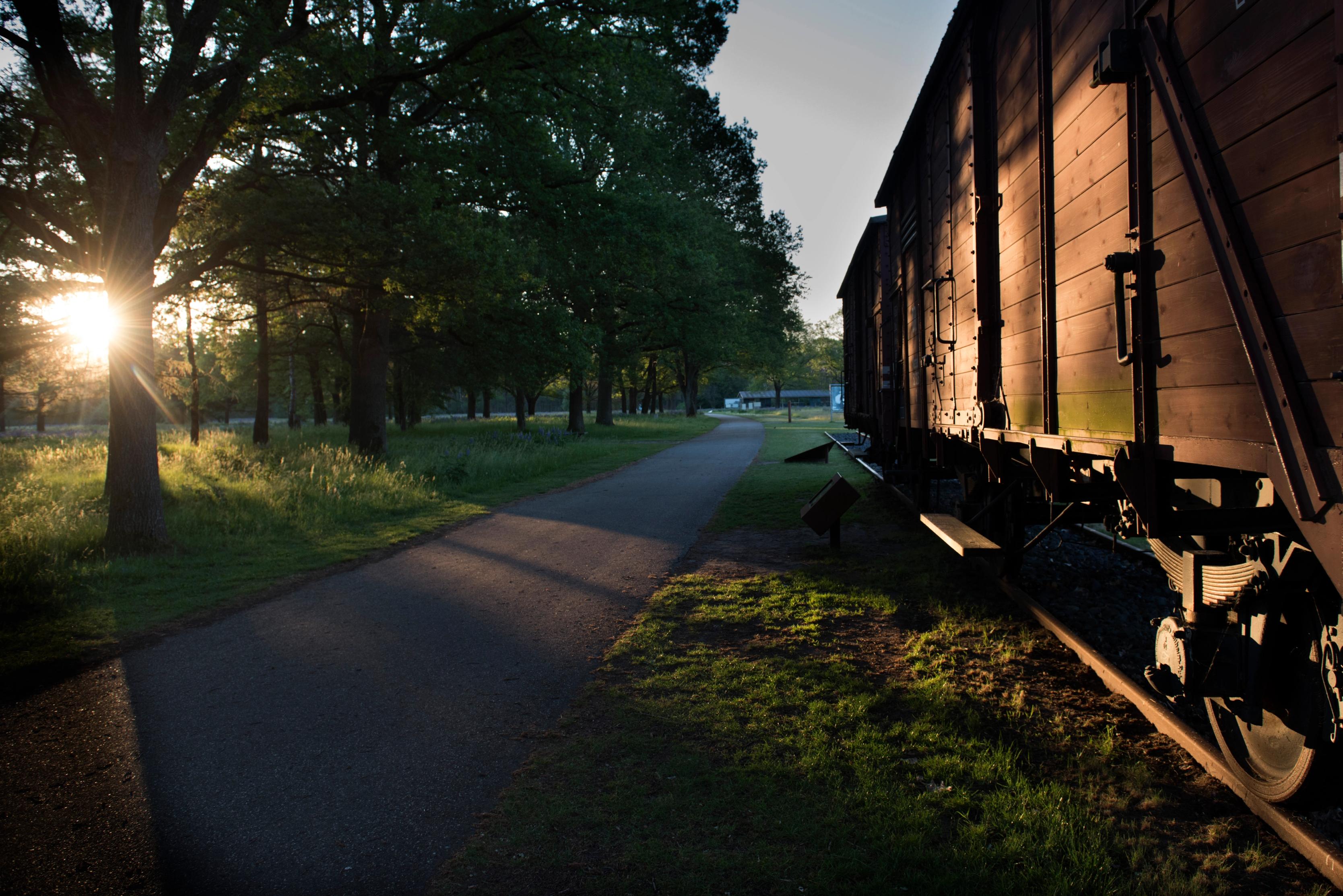
These monuments on the historic site of Camp Westerbork serve as a reminder of the more than 100.000 Jews, Sinti and Roma who were deported to the extermination camps in the East. They also commemorate all the members of the resistance who were murdered at Camp Westerbork. The history of the former residential camp of Schattenberg is also marked with a monument.

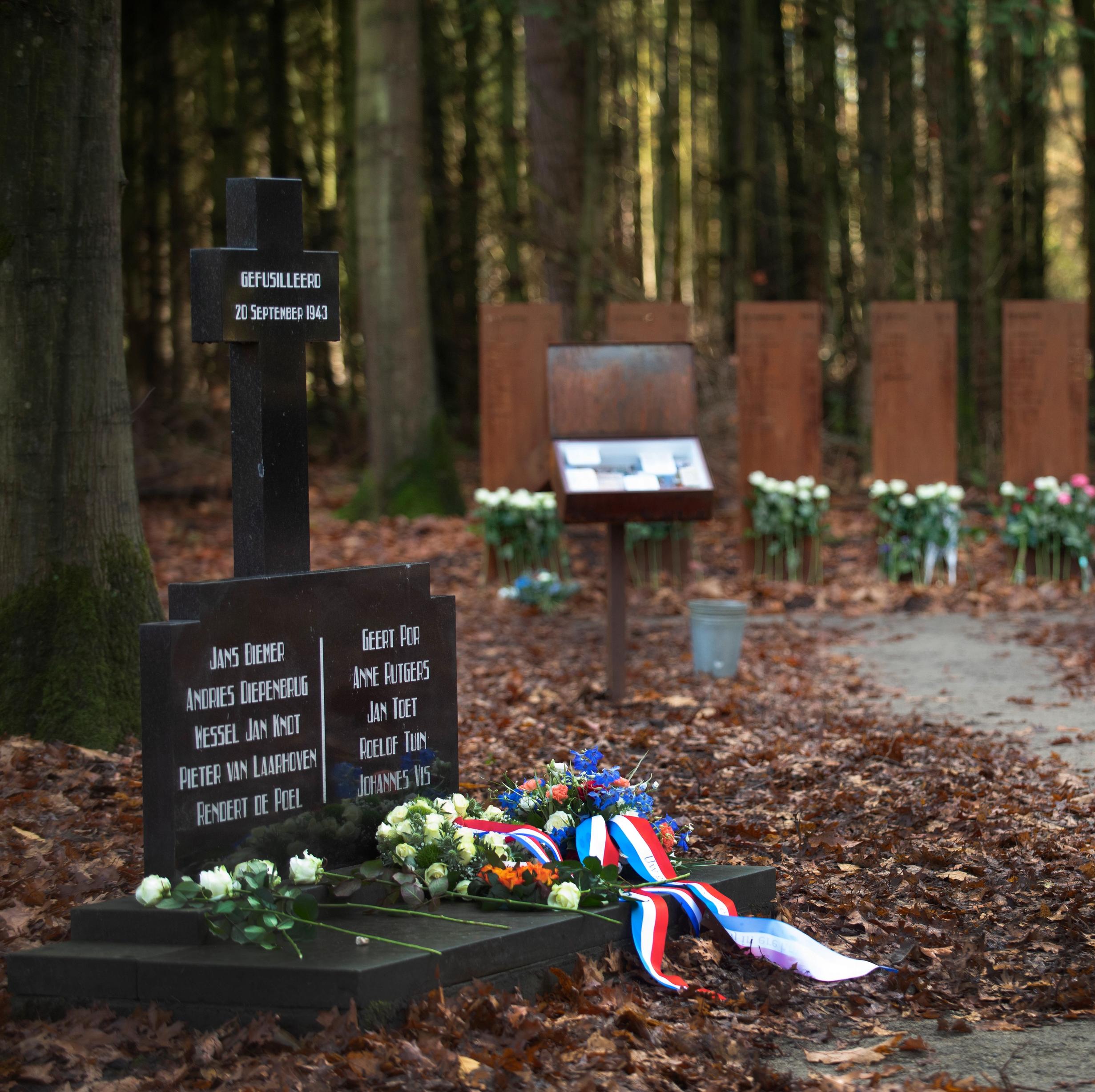
Resistance Grave

monument

On 20 September 1943, the German occupying forces executed ten resistance fighters at the Witterveld near Assen. They were subsequently cremated at the crematorium of Camp Westerbork, after which their remains were buried behind the building. These were recovered in 1949. To commemorate these resistance fighters, a gravestone was erected on the initiative of the 1940-1945 Foundation, bearing the names of the men who rest in the grave.
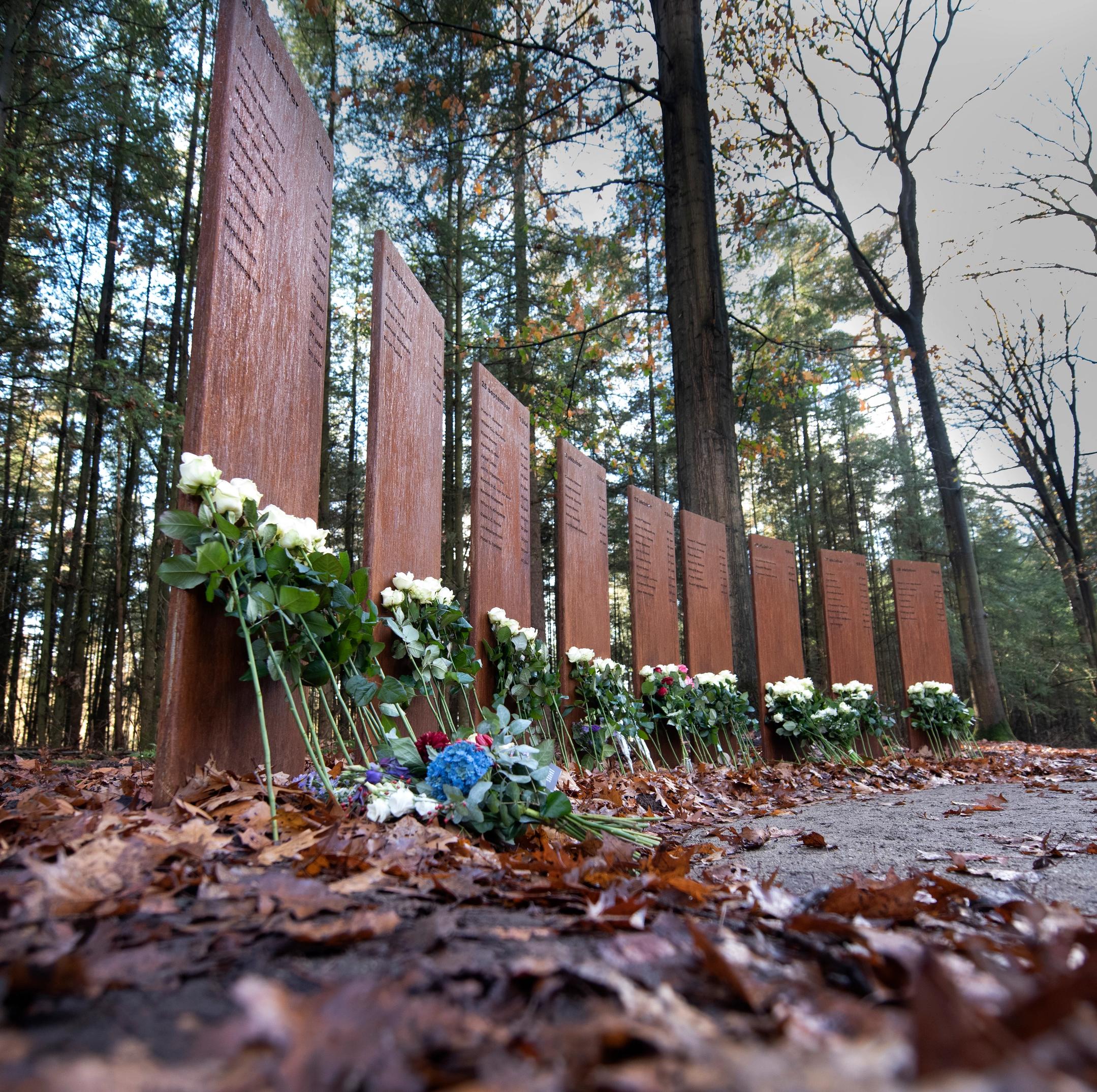
The resistance monument at Camp Westerbork, with white roses leaning against the pilars and a forest in the background

Wall of Names

Monument

Between September 1943 and October 1944, 48 resistance fighters and 4 Jewish prisoners were shot at this site and their bodies cremated. In 2018, a Wall of Names was erected at the site, bearing the names of those who were executed and/or cremated/buried here.

After the war, their remains were reburied in Groningen, Beilen and Loenen.

The brown columns of the Names Wall memorial at the site of the former Westerbork camp. Bouquets of white roses are leaning against the columns

Signs in Westerbork

Monument

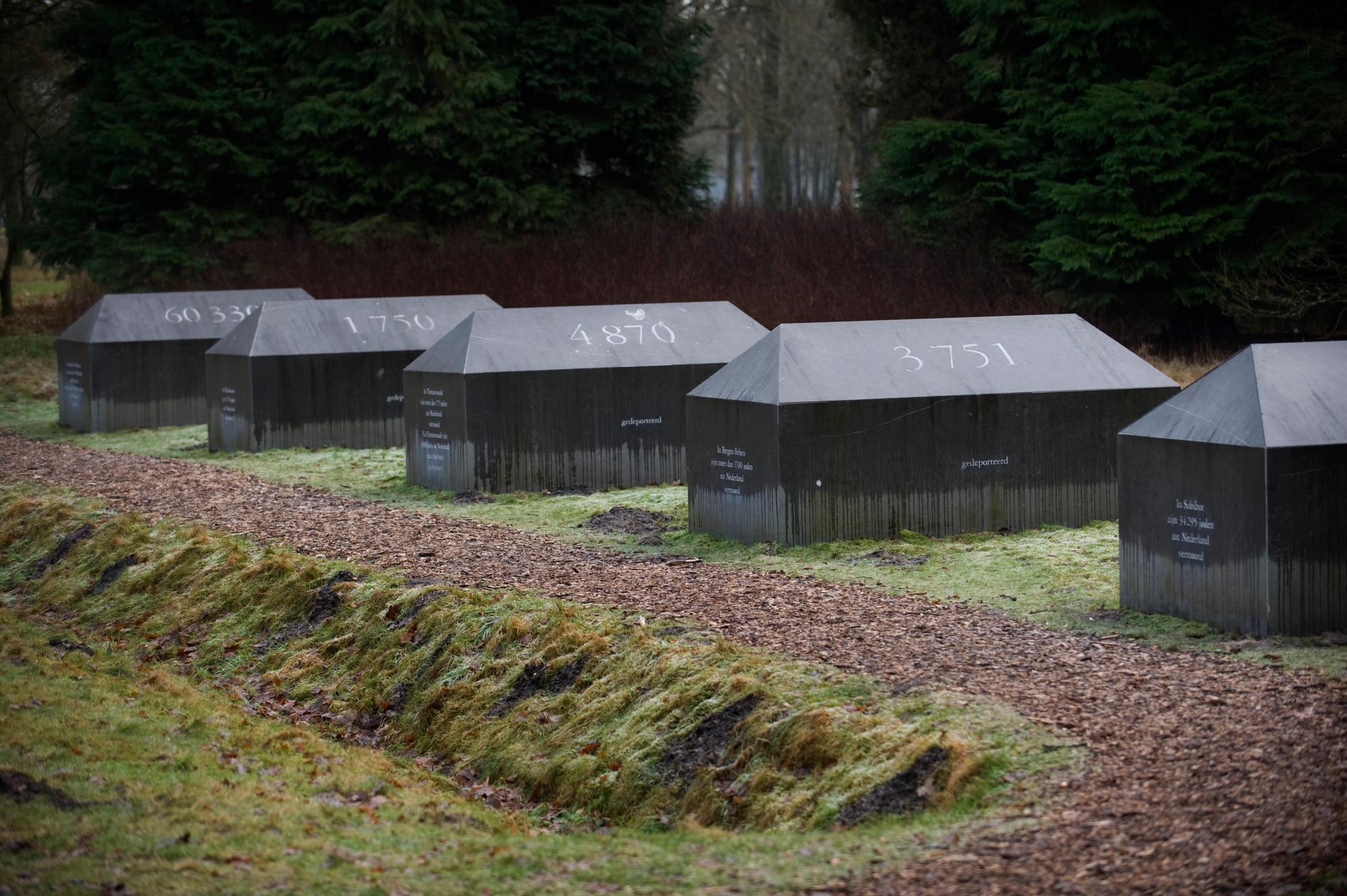
Besides Auschwitz and Sobibor, the trains from Westerbork had several other destinations. In memory of these concentration and extermination camps, the ‘Signs of Westerbork’, designed by Victor Levie, have been erected near the entrance to the former camp site. The initiative for their installation came from Jules Schelvis, one of the eighteen Dutch survivors of the Sobibor extermination camp. For each destination – Sobibor, Mauthausen, Bergen-Belsen, Auschwitz and Theresienstadt – a marker has been erected bearing the numbers of deportees and victims.

Monument The Signs in Westerbork, with big grey blocks showing numbers of victims being deported to extermination camps

Schattenberg Memorial

Memorial

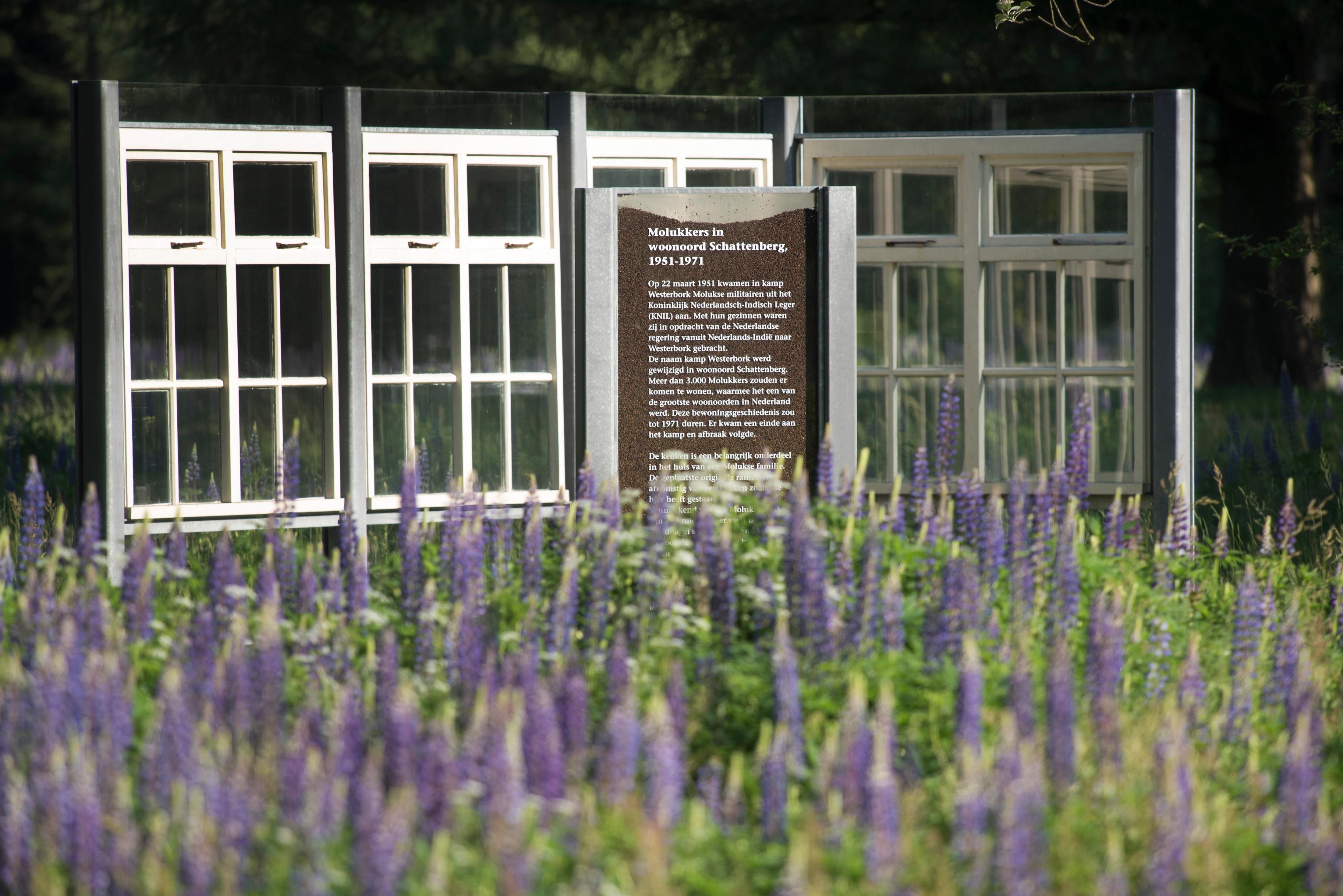
A single memorial on the camp site commemorates the Schattenberg residential camp. It was unveiled in 2011 and made possible by ‘Het Gebaar’, a government initiative acknowledging the inadequate restoration of rights and the cold post-war reception of the Indonesian and Moluccan communities. The Schattenberg memorial consists of the former kitchen units from a barrack, which were installed in some barracks during the Moluccan periods, and a replica of Reverend Metiarij’s chest.

The Schattenberg Memorial at Camp Westerbork, with purple flowers in front of it