Go to main content

Historic site

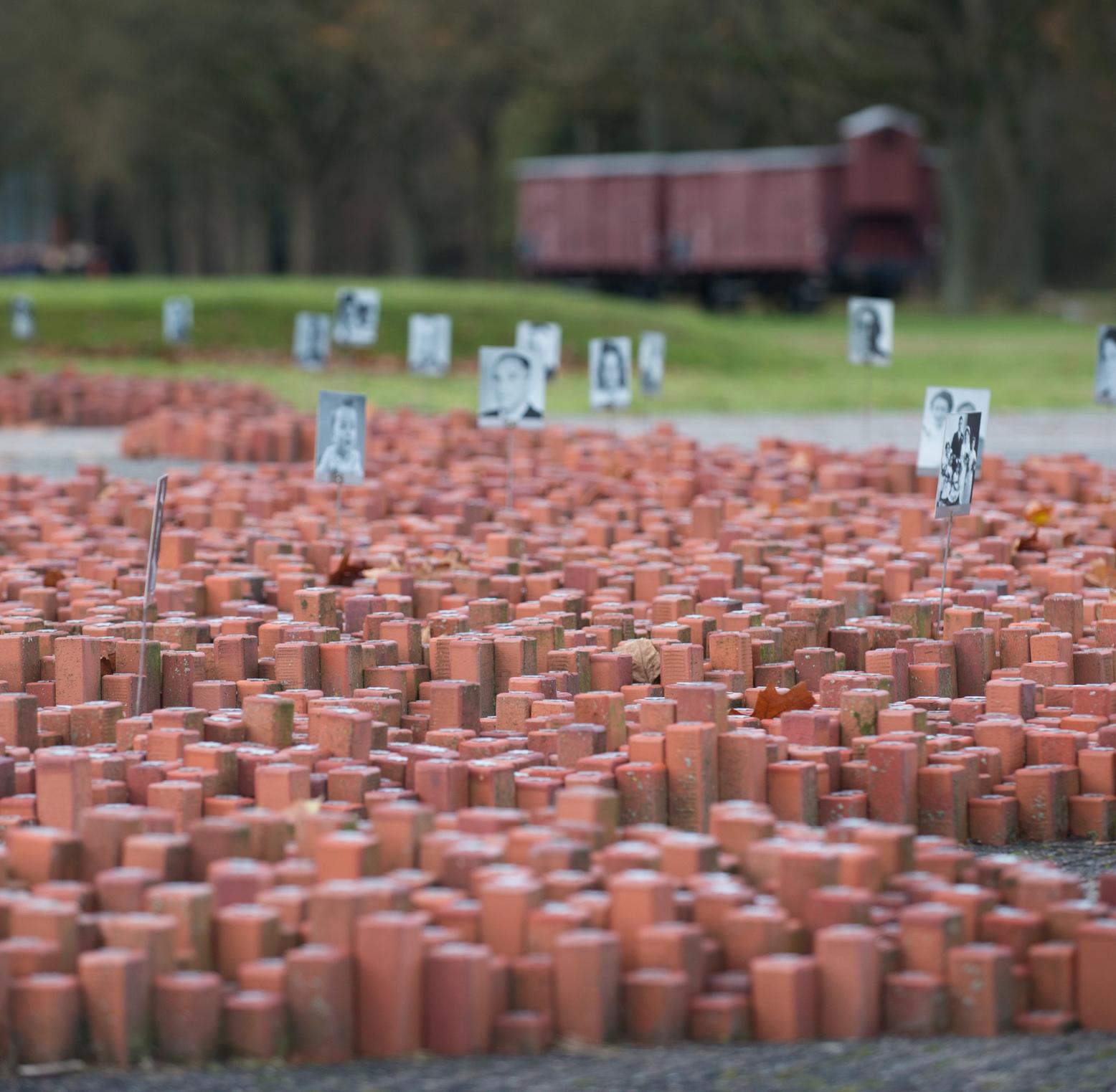
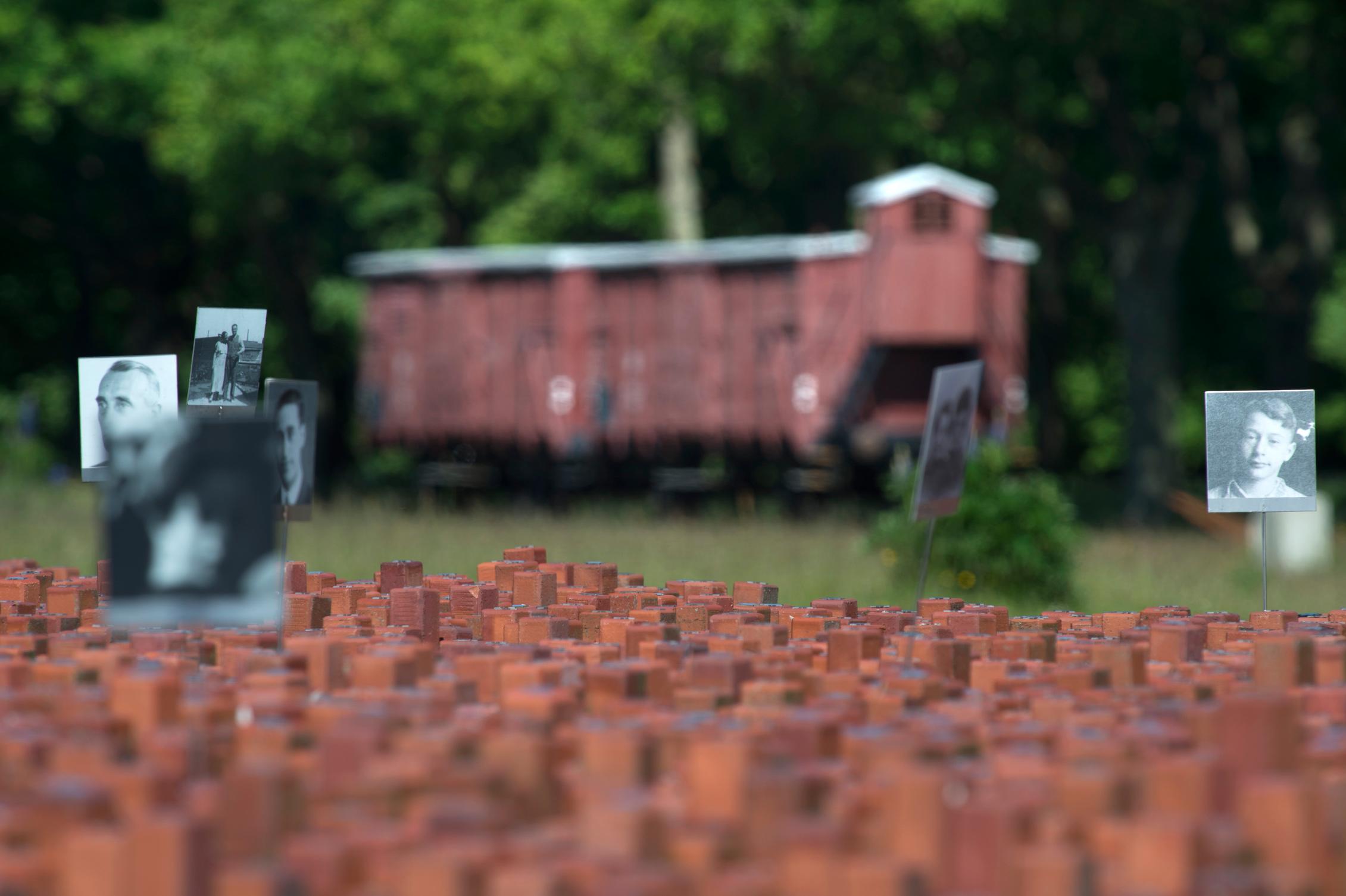
A peek through the black-and-white pictures of prisoners, hovering above the 102.000 Names Monument at Camp Westerbork. With the reconstructed railway carriage in the back

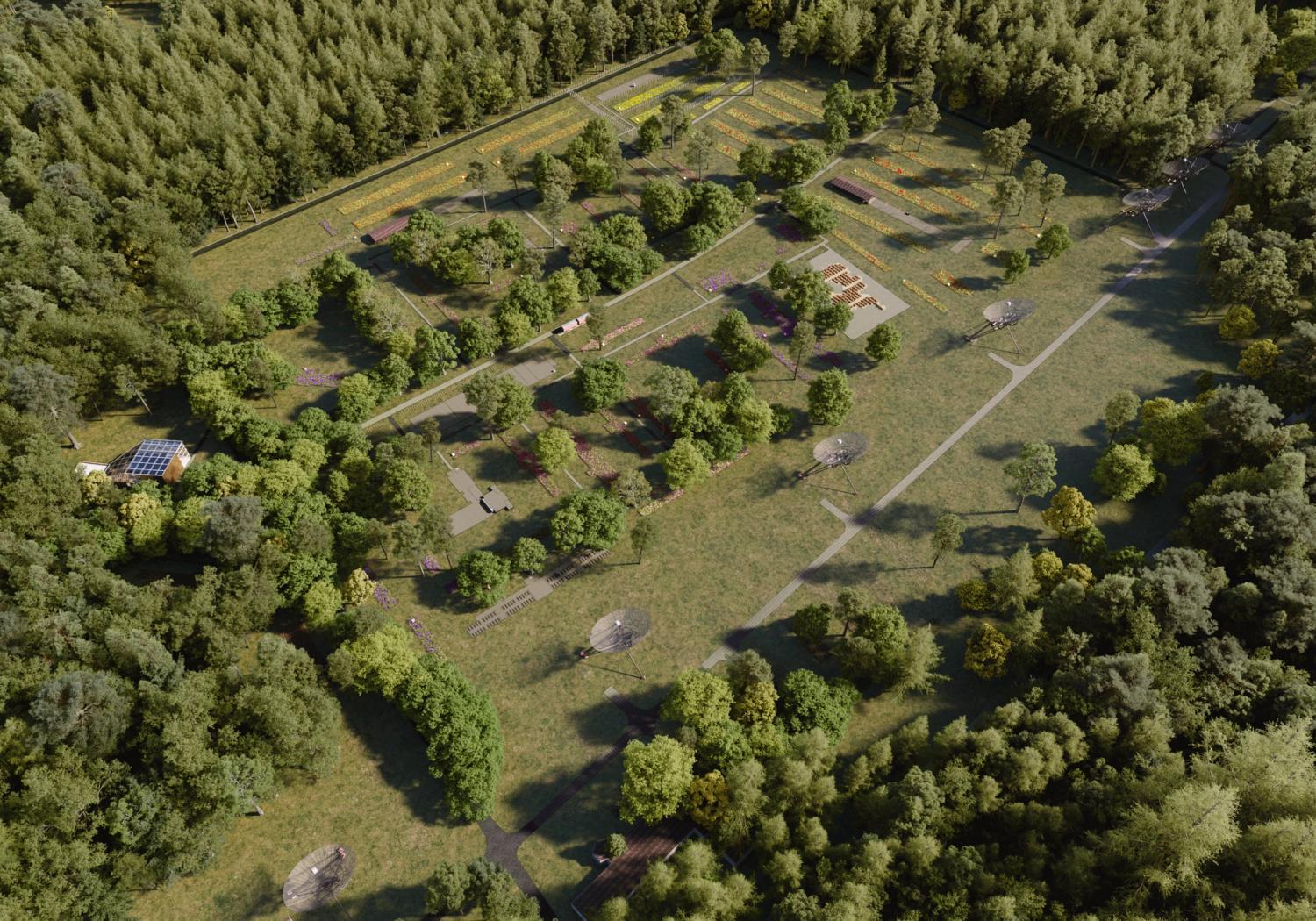
The historic site is located three kilometres from the museum. In 1971, the last huts at Camp Westerbork were demolished. As a result, the historic site was barely recognisable. To change this, a redevelopment took place in the early 1990s. The commander's residence, dating from 1939, along with monuments and reconstructions on the historic site, serve as a reminder of the more than 100,000 Jews, Sinti and Roma who were deported to the extermination camps in the East.

National Monument Westerbork

monument

The National Monument Westerbork is one of the most striking and poignant of the thousands of war memorials in the Netherlands. Designed by camp survivor Ralph Prins, the monument keeps the memory of Camp Westerbork alive.

At the end of the ninety-metre-long track, Ralph Prins sought to show, using as few resources as possible, that something terrible had happened at this spot. The curled-up rails express despair; they have been treated to look as if they have been shot at. The sleepers show the destruction. The closer to the end, the more shattered they are. The track rests on 93 sleepers, referring to the number of transports that departed from Camp Westerbork. Four sleepers lying separate from the track symbolise four transports that departed from elsewhere to Eastern Europe*.

From a distance, the wall of boulders from Drenthe resembles a pile of skulls. In front of it stands the buffer stop, close to the spot where, during the war, the railway line from Hooghalen to the camp also reached its terminus. Ralph Prins deliberately chose not to use the authentic buffer stop that still lies behind the wall. This applies, incidentally, to all the materials used in the monument: nothing comes from the camp itself, not even the rails. The two marble slabs bear the biblical text Lamentations 4:18.

*This figure is based on the historical record of deportations from 1970. We now know that there were more than 100 deportations.
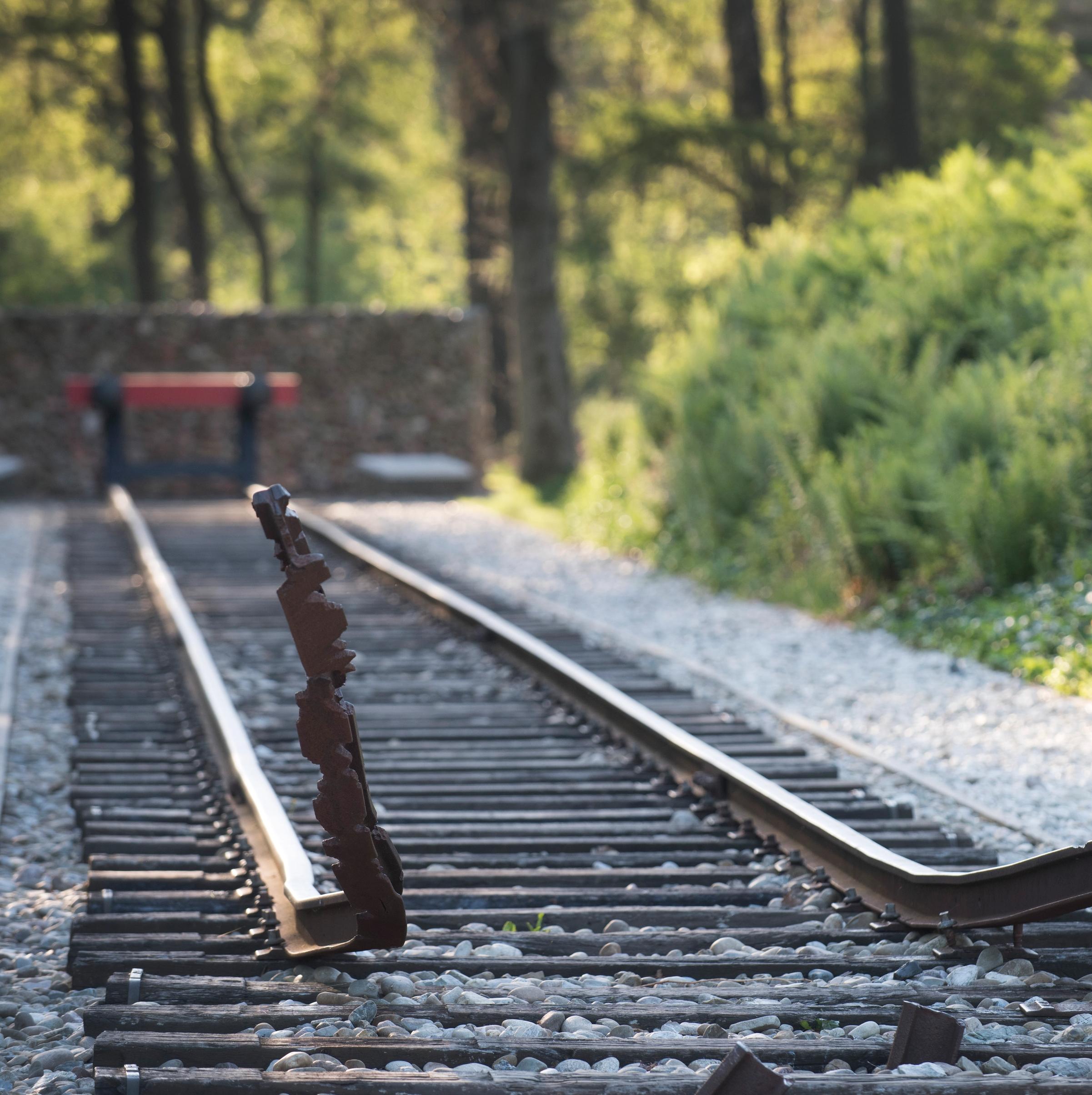
The warped rails of the railway track near the Westerbork Camp National Monument
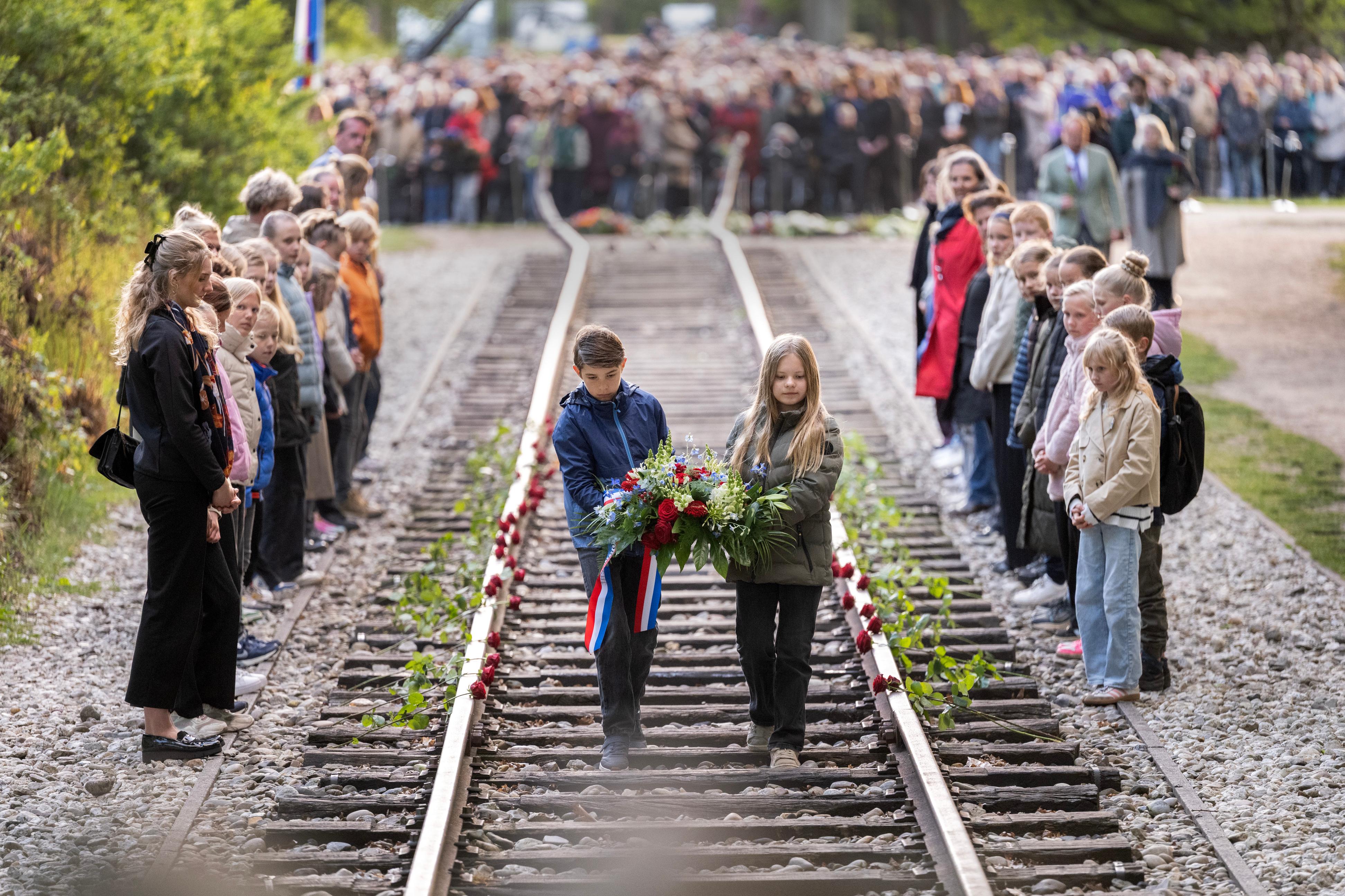
Image of two children walking over the train track at Camp Westerbork, holding flowers during memorial day on May 4th

A memorial service is now held every year on 4 May at the National Monument Westerbork, attended by thousands of people.

The National Monument Westerbork is owned by the province of Drenthe. An annual operating grant covers the costs of the management and maintenance of the monument and camp grounds carried out by the Camp Westerbork Memorial Centre.

The 102.000 Stones

monument

More than a hundred thousand Jews, Sinti and Roma were deported from the Westerbork transit camp. Of these, 102,000 were murdered. On the initiative of a few former prisoners, 102,000 stones have been placed on the former roll-call square. This serves to highlight the scale of the tragedy. Alongside this mass scale, the individuality is also made clear: the stones are arranged at random heights to emphasise the individual: 102,000 times a mother, a father, a son, a daughter, a brother, a sister.

The stones have been placed evenly across a map of the Netherlands. Most Dutch municipalities had Jewish residents before the war. A Star of David has been engraved on the top of the stones. Two hundred and thirteen stones feature a flame: a group of 245 Sinti and Roma were deported from Camp Westerbork on 19 May 1944 and largely murdered in Auschwitz. Forty stones bear no symbol and represent the resistance fighters who were imprisoned in Camp Westerbork awaiting deportation.

The 102.000 Stones Monument at Camp Westerbork Memorial Centre, with the restored railway carriage in the back.

The Spoken Names

Monument

Between 15 July 1942 and 13 September 1944, more than 100 trains departed from Camp Westerbork. In addition, four trains departed for Auschwitz and Theresienstadt from other locations in the Netherlands. A transport list was drawn up for each transport. These lists have been preserved. They contain the names of 107,000 Jews deported from the Netherlands. There is also a list of 245 Roma and Sinti who were put on transport on 19 May 1944.

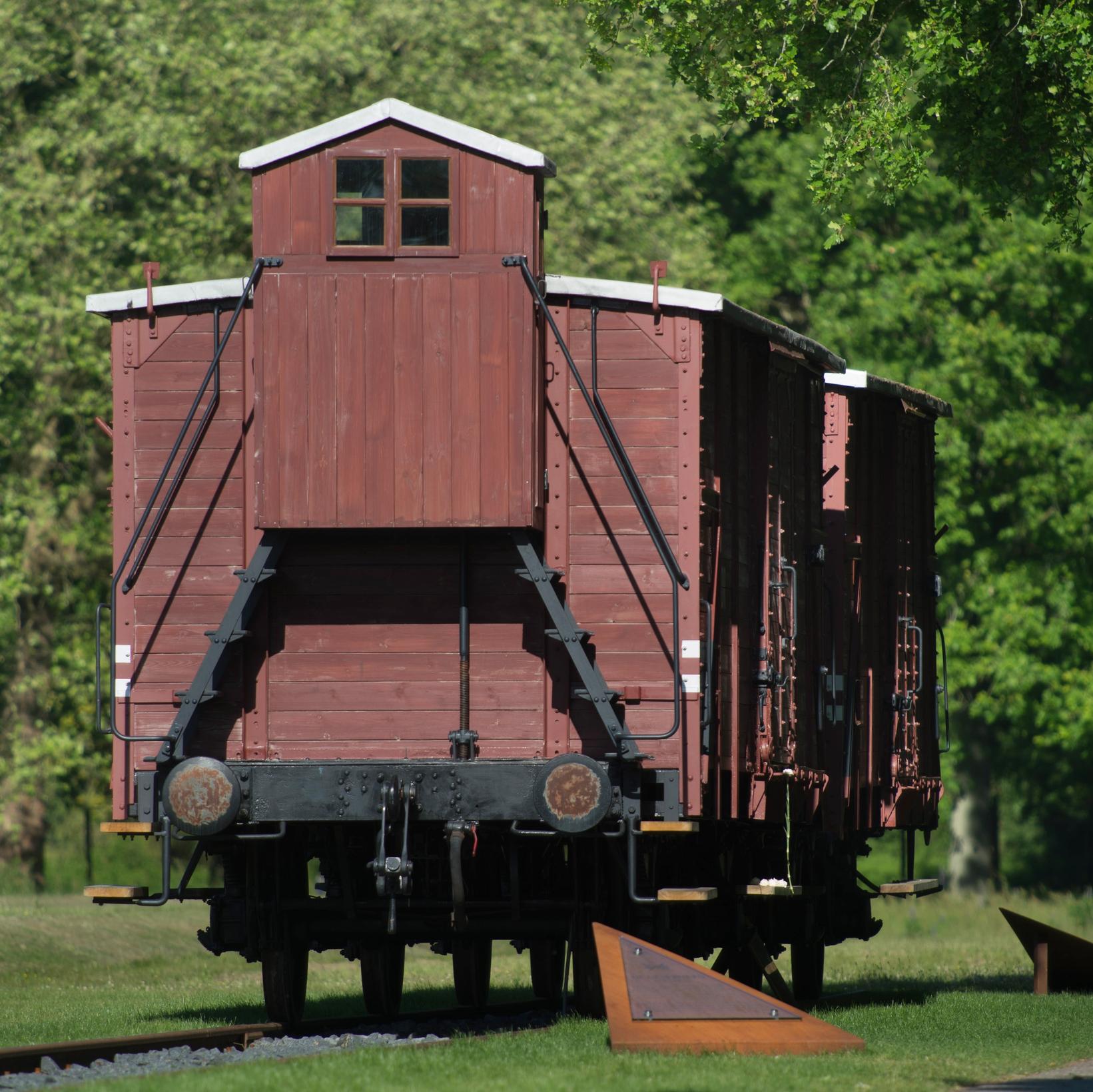
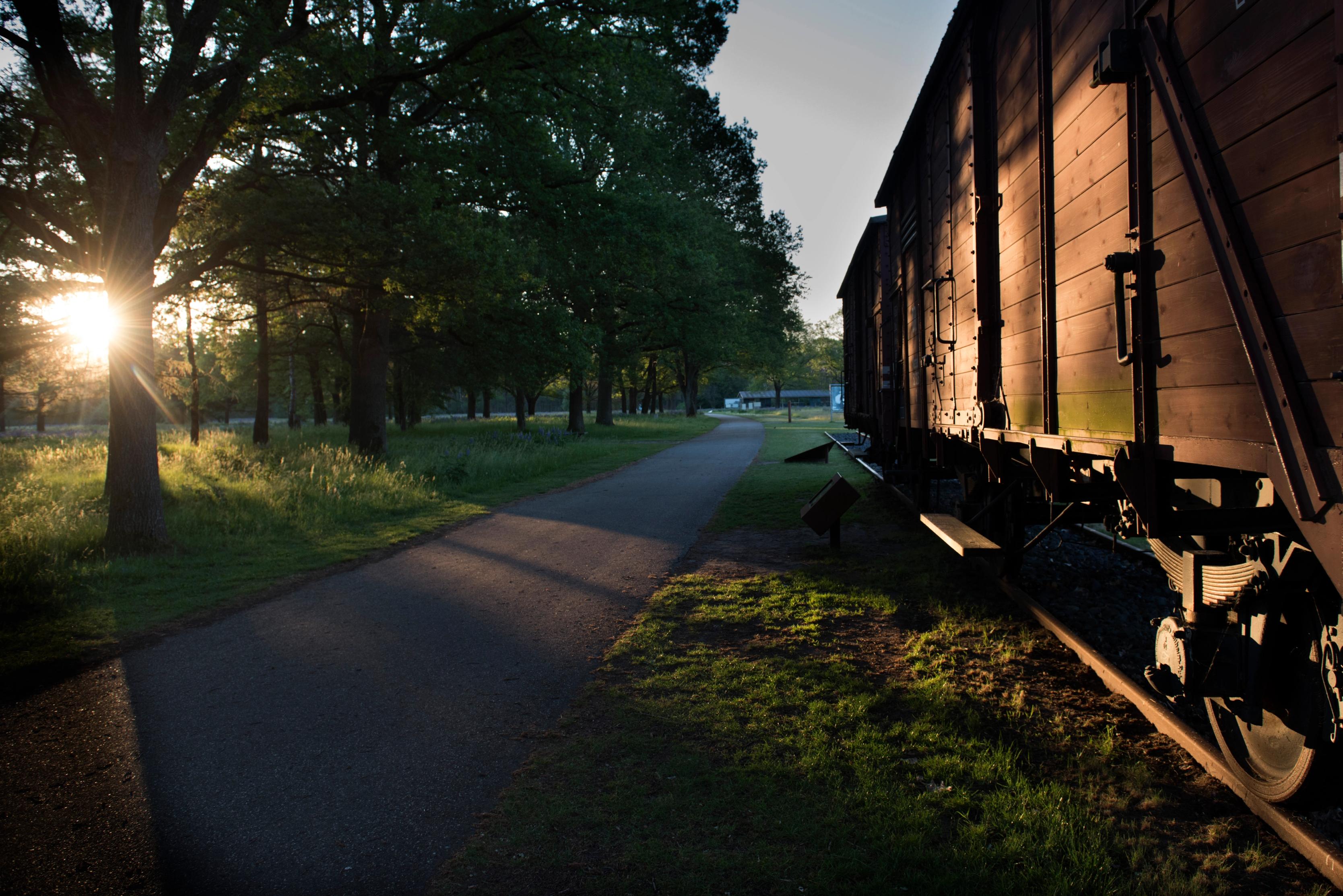
All their names are read out, 365 days a year, across the grounds of Camp Westerbork, from a reconstructed railway carriage near ‘the Rampe’, the spot in the camp from which the trains departed for the East. The monument ‘The Spoken Names’ features recordings by reporters and presenters from the (Dutch national broadcast station) NOS. On the same day that a transport departed during the war years, the transport list for that day from 1942, 1943 or 1944 will be read out loud. This will continue until the next date on which another transport departed at that time.

The restored railway carriage on the camp ground of former Camp Westerbork

Barrack 56

Reconstructions and remains

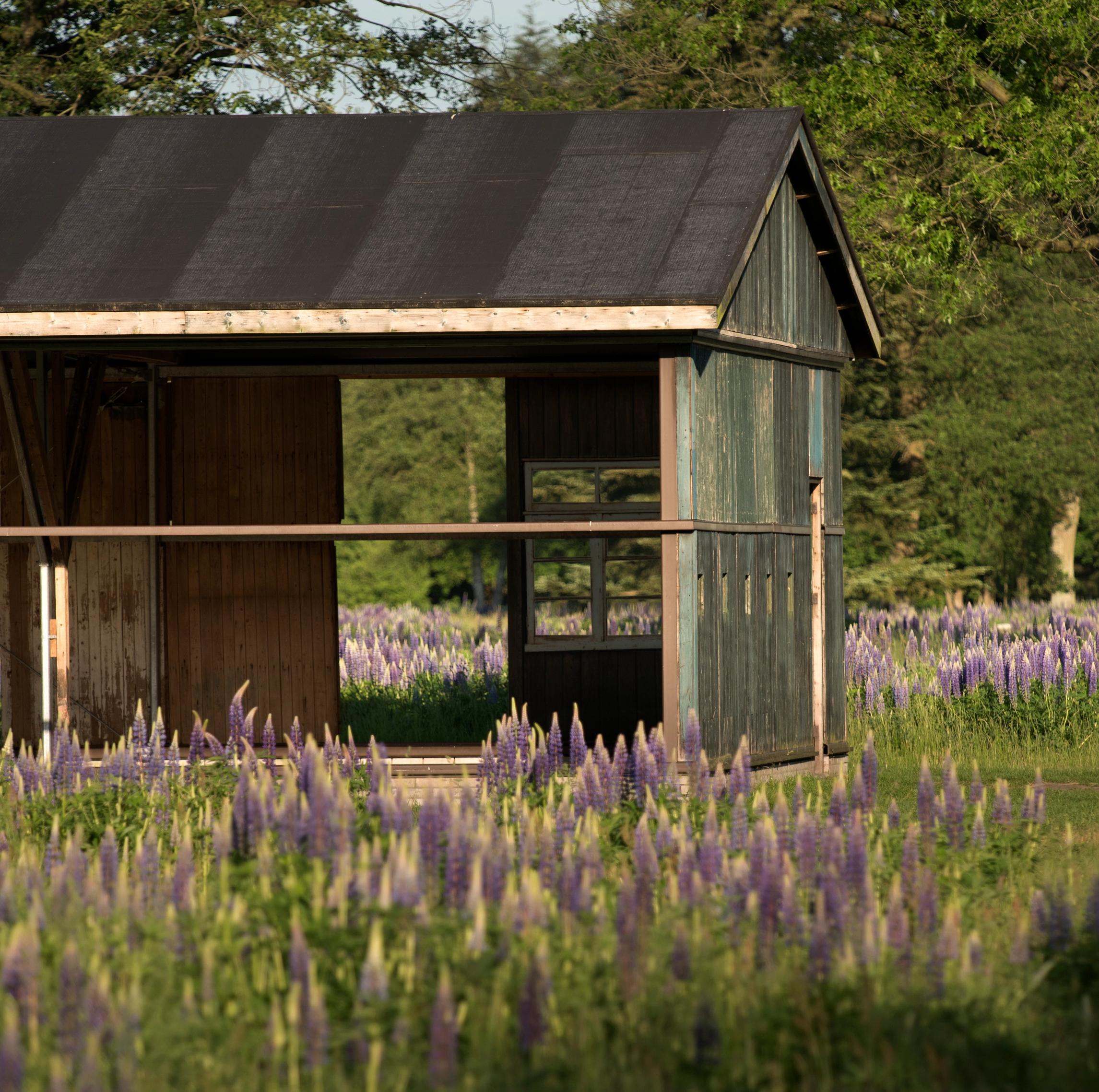
In the spring of 1942, when the German occupiers had decided to turn the Westerbork refugee camp into a transit camp for Jews, the camp was expanded with 24 large barracks, including barrack 56. They were delivered as prefabricated units. A wooden floor was laid on the brick foundations and the roof structure was secured to a number of posts. The double-walled structures were made of pine or spruce and were filled with glass wool. The number of the barrack was painted in white on the front of the building, which faced the main road.

Barrack 56 served many purposes. Initially, it was a residential barrack, mainly for Jewish prisoners who were only staying in the camp for a short time. In September 1943, this barrack became an industrial barrack, where penal prisoners were forced to dismantle batteries, for example. Once the last transport had departed on 13 September 1944, the barrack became a storage facility for looted goods, particularly radios.

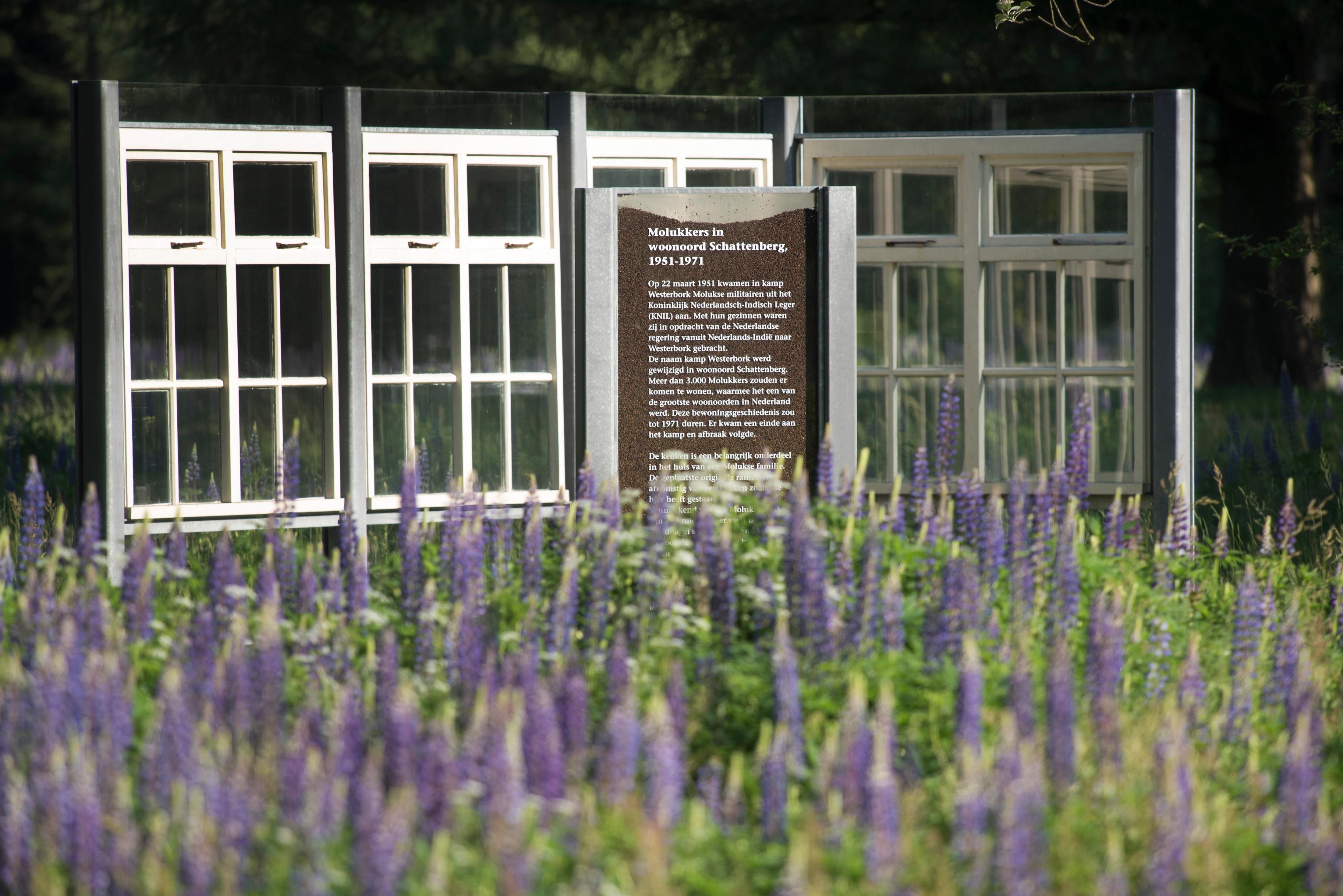
After the liberation, Camp Westerbork served as an internment camp for of people suspected of being members of the NSB and the SS for almost three years. They too were put to work in the scrapyard, which had once again been set up in barrack 56. After the departure of the NSB and SS members, Camp Westerbork became a residential area, initially for Dutch Indonesians and, from 1951, for Moluccans. Barrack 56 also became a residential barrack again, now converted internally into small flats and supplemented by two small buildings that served as kitchens. The barracks stood empty when the Moluccans left the camp in the early 1960s. Some barracks were demolished, others were sold to farmers.

After serving for almost half a century as a farm shed in Zelhem, Gelderland, Barrack 56 was donated by the owner to the Camp Westerbork Memorial Centre in 2010. During the reconstruction in Zelhem at the time, not the entire barrack was used and its original dimensions were adapted to the new purpose. Consequently, the dismantling did not yield a complete barrack but rather sections of the barrack.

Former Barrack 56 on the camp site of former Camp Westerbork

The camp commander’s residence

Reconstructions and remains

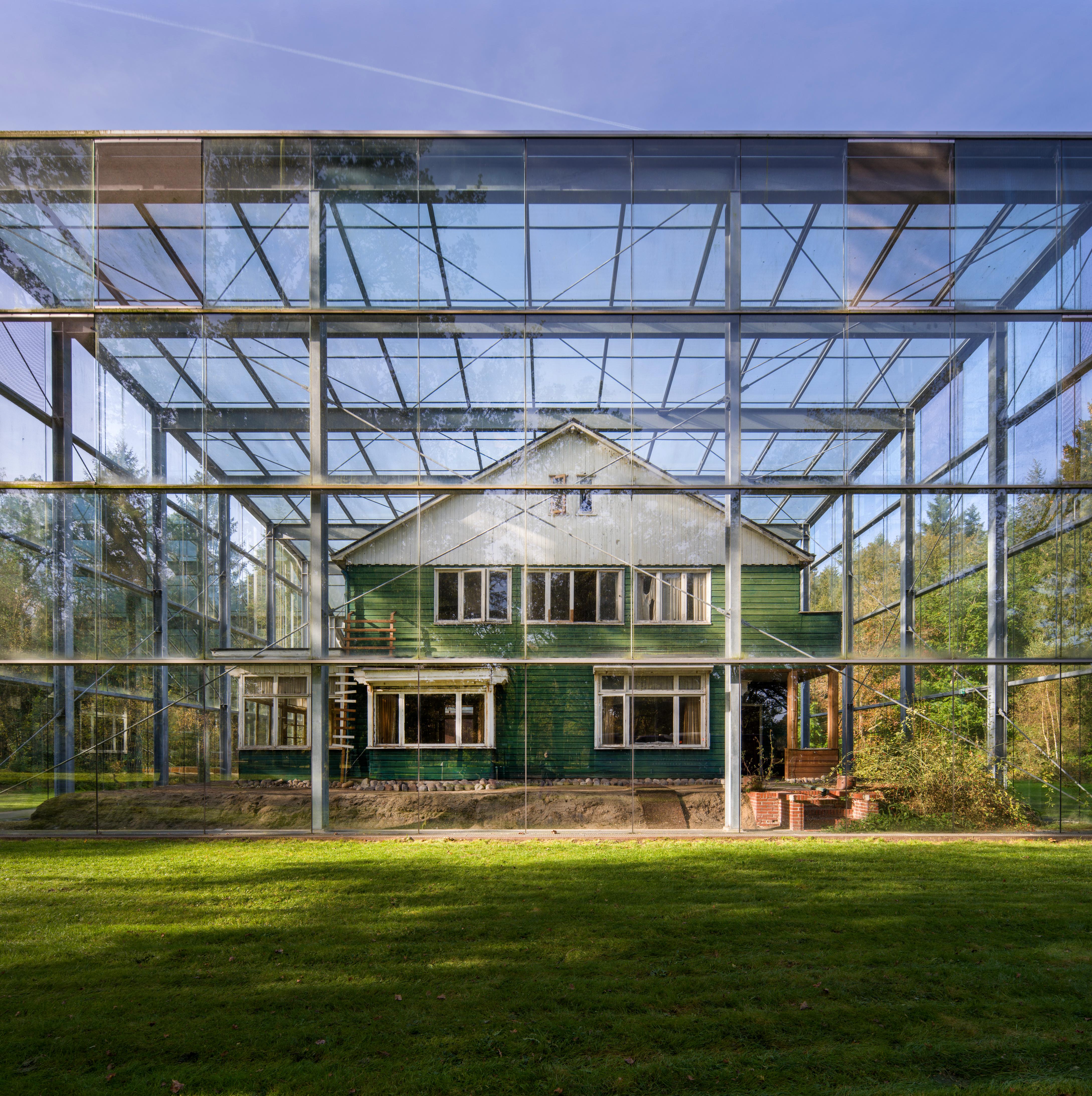
All the barracks have disappeared from the site where Camp Westerbork once stood. It is a remarkable twist of history that the camp commander’s residence, situated right at the entrance to the camp grounds, has remained standing.

When the Westerbork Central Refugee Camp was built, a director’s residence was erected on the corner of the camp grounds. Initially, this served as accommodation for the camp’s management. Later, it became the residence for the German camp commanders of the Westerbork Juden Durchgangslager. It was also occupied by the management during the years of the Westerbork Internment Camp (1945–1948). After that, it was occupied by private individuals until the death of the last resident in 2007.

The house is an official national monument. Due to its great sentimental value, the building is of (inter)national cultural-historical importance. It is also of architectural-historical significance due to its distinctive architectural style, the use of materials and its rarity.

A glass canopy has been installed to protect the building. The house has now been restored and, for a building from that period which received little maintenance in the years leading up to 2007, it is in remarkably good condition.

Whilst preserving the building’s inaccessible and enigmatic character, the Camp Westerbork Memorial Centre intends to use the house for activities that give substance to the significance of this historic site.

The former camp commander's residence at the camp site of Camp Westerbork

Find out more about